
Posterior Capsular Opacification (PCO)

Posterior capsule opacification is a common cause of blurred vision after cataract surgery, sometimes called a secondary cataract. Learn how it develops, typical symptoms, diagnosis, and when laser treatment is needed.

About posterior capsule opacification

During cataract surgery, the cloudy natural lens is removed, but its delicate outer membrane, the capsule, is left in place to support the artificial lens implant. Over time, it is common for residual lens epithelial cells to migrate and proliferate on the back surface of this capsule.

This cell growth causes the capsule to become cloudy and wrinkled, scattering light and decreasing visual quality. The artificial lens itself remains clear; it is the supporting capsule behind it that becomes opaque.

Symptoms

The symptoms often mirror those of the original cataract: gradually blurred or foggy vision, increased glare from lights, reduced contrast, and difficulty with reading or night driving. Many people describe feeling as though the cataract has “come back,” even though the implanted lens is still clear.

Causes

Posterior capsule opacification is a natural response of the lens capsule to surgery and residual cells. It is not a sign that the original operation was poorly performed. Younger patients at the time of cataract surgery are more likely to develop it, and certain eye conditions may influence how quickly it appears, but almost anyone who has had cataract surgery can develop some degree of capsule opacification if they live long enough.

How it is diagnosed

Diagnosis is made during a slit lamp examination. The ophthalmologist looks through the pupil to examine the capsule behind the lens implant. Characteristic folds, opacities, or pearl-like cell clusters are seen. Visual acuity is measured and compared with previous records to assess the functional impact.

When to see a specialist

You should see a specialist if your vision deteriorates after a period of good sight following cataract surgery, especially if glare, halos, or difficulty reading return. Posterior capsule opacification is easily confirmed or excluded during an examination, and if it is the cause, laser treatment can usually restore clarity promptly.

Share this information:

Treatment Options

Internal Goniotomy Eye Surgery Eye Doctor Huddersfield

Internal Goniotomy

Internal goniotomy is part of a group of procedures known as minimally invasive glaucoma surgery. It is particularly well suited to patients with mild to moderate glaucoma who are undergoing cataract surgery.

Read More

Macula Hole / VMT Surgery

Macula Hole / VMT Surgery is a precise retinal procedure that removes traction, closes macula holes, and restores central vision. With modern micro-incision techniques, the procedure offers excellent success rates and significant visual improvement for most patients.

Read More

Epiretinal Membrane Surgery

Epiretinal membrane surgery removes scar tissue from the macula to reduce distortion and improve central vision. It is a safe, advanced retinal procedure with strong success rates and gradual, long-term visual improvement.
Read More

YAG Capsulotomy

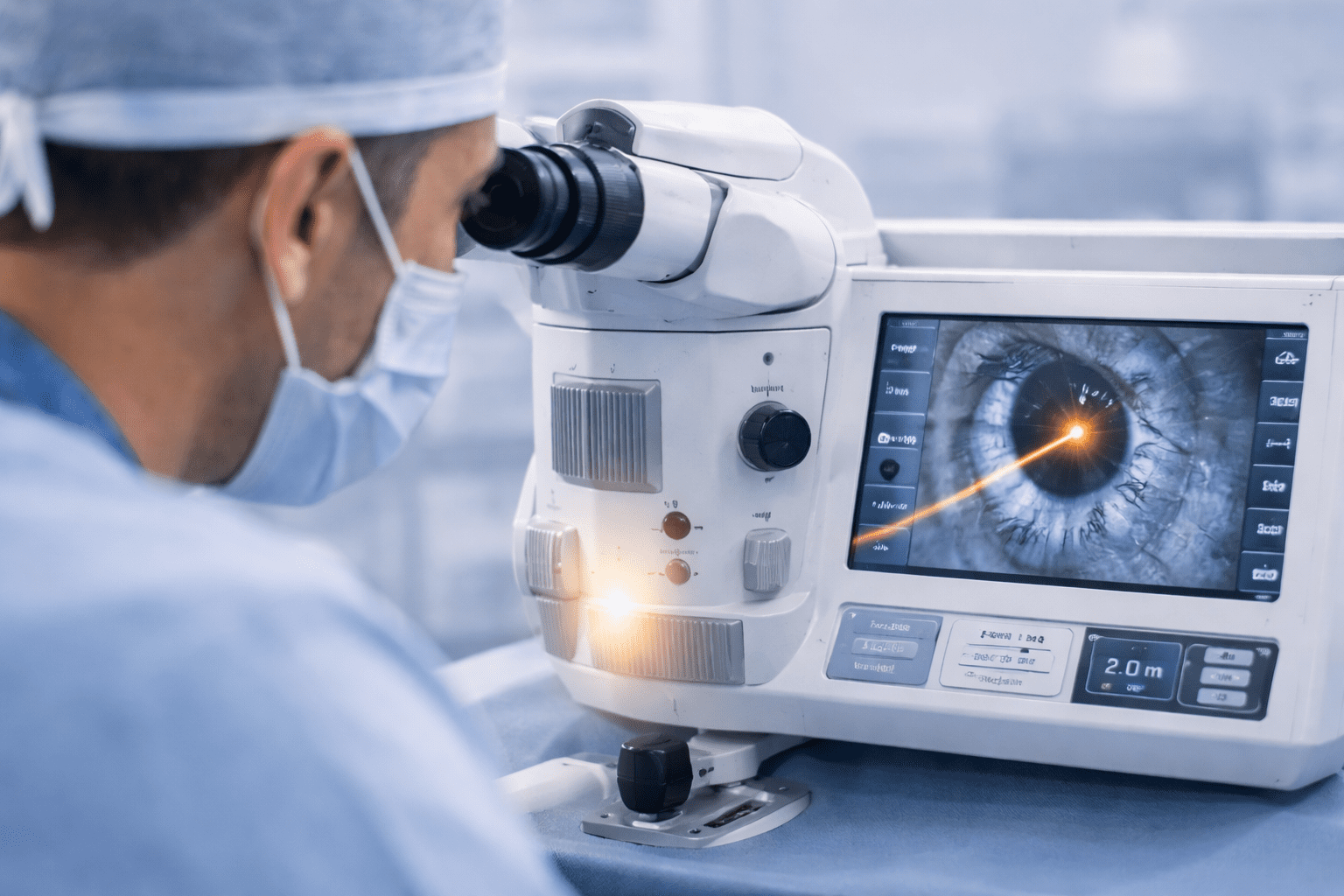
YAG Capsulotomy is a quick, painless laser treatment that restores clear vision after cataract surgery by removing clouding behind the lens implant. It’s safe, effective, and takes only minutes — with instant results that last for life.

Read More
Lens Replacement Surgery Eye Doctor Huddersfield

Refractive Lens Exchange (RLE)

Refractive Lens Exchange (RLE) replaces your natural lens with a precision-engineered implant that corrects distance, intermediate, and reading vision in one step. It’s a safe, permanent alternative to laser eye surgery for people seeking lifelong visual freedom.

Read More
cataract surgery eye doctor huddersfield

Cataract Surgery

Cataract surgery is a highly effective treatment for restoring clear vision when cataracts begin to interfere with everyday life. If your vision has become blurred, cloudy, or dim, cataract surgery can significantly improve clarity, contrast, and quality of life.

Read More

Your Specialist in

Posterior Capsular Opacification (PCO)