Presbyopia (Reading Vision Problems)

Presbyopia is the natural age-related loss of near focusing ability that makes reading and close work difficult after 40. Learn what causes presbyopia, its symptoms, and how it can be corrected through glasses, lenses, or advanced laser eye surgery.

What Is Presbyopia?

Presbyopia is a universal, age-related change in the eye’s focusing system that causes difficulty seeing up close.
Unlike short-sight (myopia) or long-sight (hyperopia), which relate to the eye’s length or curvature, presbyopia results from a gradual loss of flexibility in the crystalline lens, the clear, internal structure that adjusts focus between near and far objects.

From childhood, this lens changes shape effortlessly to bring text, screens, and distant scenes into focus. But around the age of 40–45, the lens stiffens and its surrounding muscles weaken, reducing its ability to refocus for near vision.
As a result, reading, phone use, and fine detail work become harder without holding objects further away or using additional magnification.

Presbyopia affects everyone eventually, even those who have never worn glasses before or who previously had perfect vision after laser surgery.

Symptoms of Presbyopia

Signs usually develop slowly and become more noticeable over several years:

  • Difficulty reading small print or text at normal distance.

  • Holding books or phones further away to focus.

  • Eye strain and fatigue after near work or computer use.

  • Headaches when reading for long periods.

  • Need for brighter lighting when doing close tasks.

  • Switching focus delay when shifting from near to far objects.

People who are short-sighted often notice they must remove their distance glasses to read comfortably.

Causes and Risk Factors for Presbyopia

Presbyopia is a natural part of the ageing process rather than a disease.
However, several factors can influence when and how strongly it appears:

  • Age: the primary cause — most people notice symptoms between 40–45.

  • Reduced lens elasticity: the lens fibres become denser and less able to change shape.

  • Ciliary muscle fatigue: the focusing muscles lose responsiveness over time.

  • Existing refractive error: long-sighted individuals tend to notice presbyopia earlier.

  • Environmental strain: extended screen use and low lighting can make symptoms worse.

  • Medical or medication factors: diabetes, cardiovascular disease, antihistamines, and antidepressants can all affect near focus.

Presbyopia progresses gradually until the mid-60s, then typically stabilises.

Diagnosis and Assessment for Presbyopia

Diagnosis is straightforward and made through a comprehensive eye examination.
Your optometrist or ophthalmologist will:

  • Measure near and distance visual acuity.

  • Assess the lens power required for comfortable near focus.

  • Check for other refractive errors (myopia, hyperopia, or astigmatism).

  • Evaluate ocular surface health and tear-film stability if lenses or laser surgery are being considered.

  • In some cases, perform binocular vision testing to ensure both eyes coordinate effectively during close work.

An accurate refraction ensures your reading, intermediate, and distance prescriptions are correctly balanced.

When to Seek Advice

You should book an eye assessment if:

  • You’re over 40 and have begun struggling with near tasks or fine print.

  • You find yourself constantly adjusting lighting or reading distance.

  • You rely on off-the-shelf reading glasses that no longer feel clear.

  • You’ve had previous laser or cataract surgery and are losing near focus again.

  • You experience frequent headaches or tired eyes when reading.

Early evaluation ensures the most comfortable correction and helps identify whether combined solutions — such as blended-vision LASIK or multifocal lens implants — are suitable.

Share this information:

Treatment Options

Macula Hole / VMT Surgery

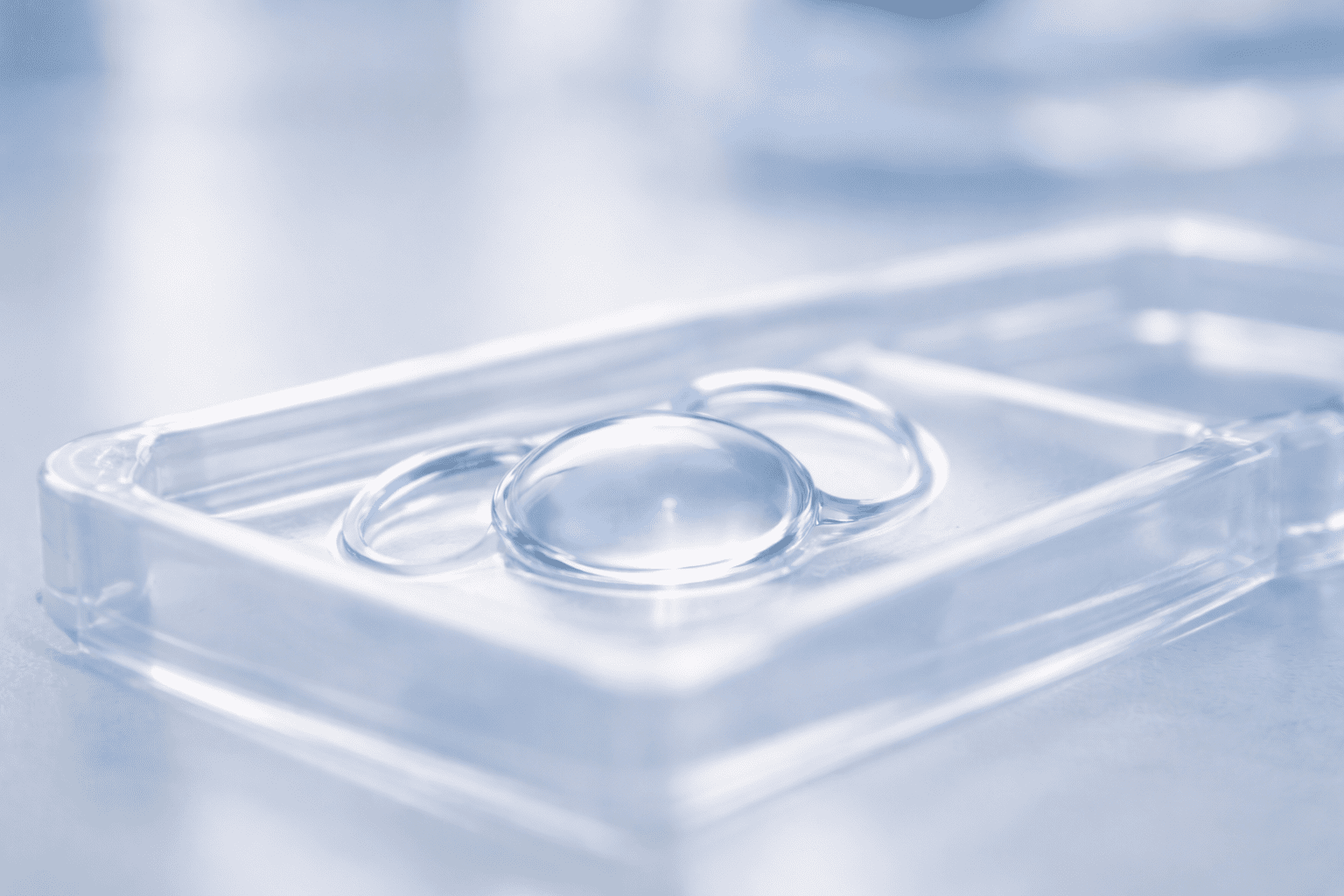
Macula Hole / VMT Surgery is a precise retinal procedure that removes traction, closes macula holes, and restores central vision. With modern micro-incision techniques, the procedure offers excellent success rates and significant visual improvement for most patients.
Read More

Epiretinal Membrane Surgery

Epiretinal membrane surgery removes scar tissue from the macula to reduce distortion and improve central vision. It is a safe, advanced retinal procedure with strong success rates and gradual, long-term visual improvement.

Read More

Blended Vision LASIK

Blended Vision LASIK restores natural near and distance sight by carefully reshaping each cornea for different focal points. It’s a safe, precise, and long-lasting laser solution to reading vision loss after 40.

Read More

LASEK Laser Eye Surgery

LASEK Eye Surgery corrects blurred vision by reshaping the cornea’s surface without cutting a flap. It’s ideal for thin or dry eyes, offering clear, comfortable, long-term vision through safe, flap-free laser precision.

Read More

LASIK Eye Surgery

LASIK Eye Surgery uses cutting-edge laser precision to reshape the cornea and correct vision problems such as short-sight, long-sight, and astigmatism. It’s quick, comfortable, and delivers life-changing clarity within hours.

Read More
Lens Replacement Surgery Eye Doctor Huddersfield

Refractive Lens Exchange (RLE)

Refractive Lens Exchange (RLE) replaces your natural lens with a precision-engineered implant that corrects distance, intermediate, and reading vision in one step. It’s a safe, permanent alternative to laser eye surgery for people seeking lifelong visual freedom.

Read More

Your Specialist in

Presbyopia (Reading Vision Problems)